Elevator Interior Design: Why Material Quality Defines the Ride
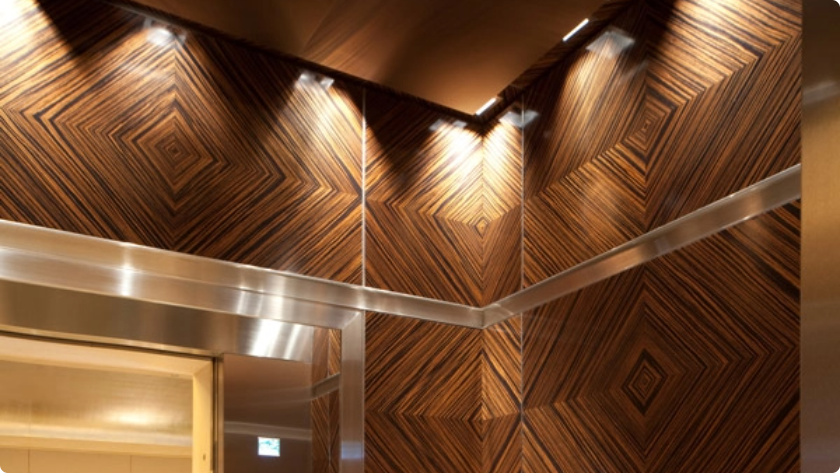
Every time someone steps into an elevator, they enter a carefully crafted micro-environment where material choices silently communicate quality, safety, and sophistication. The selection of metals, laminates, glass, stone, and wood veneers isn’t just about aesthetics — it’s an engineering decision that affects long-term durability, regulatory compliance, user-safety, and even the building’s environmental footprint.
The Unseen Demands of Elevator Interiors
Elevator cabs endure relentless use. Some high-traffic models experience more than a thousand cycles daily. This punishing schedule demands materials that can withstand scratches from luggage, resist dents from heavy equipment, and retain their appearance despite constant friction. Still, durability alone isn’t enough — every component must also comply with stringent fire safety standards like NFPA 130 and EN 13501-1 to ensure that metals, laminates, and even decorative finishes won’t become hazards in an emergency. Even the tactile experience matters: sound-dampening materials like perforated wood panels or specialized composites reduce noise pollution, transforming a functional ride into a moment of quiet sophistication.
The Long-Term Value Equation
The best elevator interiors balance visual style with decades of low-maintenance performance. A stunning stone cladding that requires constant resealing may rapidly lose its appeal compared to advanced composites that mimic natural materials without the upkeep. Similarly, manufacturers now offer “smart surfaces” with photocatalytic nano-coatings that are engineered to break down dirt under light, reducing cleaning costs over the cab’s lifespan.
Sustainability as a Core Consideration
Architects and developers need to do more than simply judge materials for their immediate performance — they must assess their environmental legacy. LEED and WELL certifications often dictate specifications, favoring FSC-certified wood veneers, recycled metals, and low-VOC adhesives that contribute to healthier indoor air quality.
The Psychology of Material Selection
A luxury hotel’s elevator tells a different story than a corporate tower’s. Back-painted glass and book-matched stone veneers convey exclusivity, while brushed stainless steel and high-pressure laminates signal efficiency and reliability. Increasingly, dynamic materials — such as LED-backlit surfaces that shift color to reflect the time of day — are turning elevators into immersive brand experiences rather than mere transitions between floors.
Where Engineering Meets Art
Selecting elevator materials isn’t just a technical exercise. Rather, it’s a multidisciplinary challenge that blends safety science, environmental ethics, and sensory design. The right choices create spaces that endure physically and emotionally, leaving passengers with an unspoken impression of quality long after the doors open.
For developers and designers, the message is clear: cutting corners on material quality doesn’t just risk premature wear — it undermines the entire building’s narrative. In an era where every square foot communicates values, elevator interiors really are the silent ambassadors of a project’s vision.